Tuscany vs. Columbia Valley Sangiovese: Two Regions, One Grape, and a Wine Born from Both
When Allen Shoup founded Long Shadows Vintners in 2002, he brought one of Italy's most prestigious Tuscan wine families to Columbia Valley to collaborate on a wine built around Sangiovese. That collaboration, between Ambrogio and Giovanni Folonari of Tenute Folonari and Long Shadows founding winemaker Gilles Nicault, gave Saggi its foundation. Over two decades of vintages, Nicault has developed Saggi into one of the most consistently acclaimed Sangiovese-based wines produced in the United States, earning 90 points or better from Wine Advocate, Jeb Dunnuck, James Suckling, Vinous, and Wine Enthusiast across every vintage dating back to 2004.
What Makes Tuscan Sangiovese Distinctive
Sangiovese has been grown in Tuscany for centuries and is the primary grape behind Chianti Classico, Brunello di Montalcino, Vino Nobile di Montepulciano, and the Super Tuscans of Bolgheri. The region's climate is Mediterranean, with warm, dry summers moderated by altitude and coastal influence that slows ripening and preserves acidity. Tuscany's dominant soils, galestro and alberese, are rocky and mineral-rich, producing wines with firm tannin structure, high acidity, and earthy complexity. In the glass, Tuscan Sangiovese typically shows dried cherry, rose petal, leather, dried herbs, and iron-like minerality. Top examples from Chianti Classico and Brunello di Montalcino are built for long cellaring, with aging windows of 10 to 30 years for the finest bottles.
The Super Tuscan category emerged in the 1970s when producers began blending Sangiovese with international varieties like Cabernet Sauvignon and Syrah outside the traditional DOC classification framework. DOC, or Denominazione di Origine Controllata, is Italy's regulatory framework governing which grape varieties, yields, and winemaking practices are permitted in each designated wine region. Wines like Sassicaia and Tignanello established the style: Sangiovese-anchored blends with greater concentration, international structure, and broad critical appeal.
What Makes Columbia Valley Distinctive for Sangiovese
Columbia Valley is located in eastern Washington, where the Cascade Mountains block Pacific moisture and create a high desert continental climate. The growing season is defined by long, intensely sunny days that drive fruit ripeness, followed by overnight temperature drops of 35 to 50 degrees Fahrenheit. That diurnal swing preserves natural acidity and aromatic complexity as the fruit approaches full maturity.
The soils of Columbia Valley are sandy loam and volcanic basalt, shaped by the prehistoric Missoula Floods that repeatedly reshaped the landscape of the Pacific Northwest. Low in nutrients and rainfall, these soils produce vines that root deeply and yield fruit with concentrated flavors. Sangiovese grown in Columbia Valley tends toward darker fruit than its Tuscan counterpart, with black cherry, black currant, and plum alongside lush, polished tannins. The natural acidity from diurnal temperature variation remains high, giving the wines structure and aging potential.
Tuscany vs. Columbia Valley: A Direct Comparison
Climate type
- Tuscany: Mediterranean
- Columbia Valley: High Desert Continental
Diurnal swing (Day to Night)
- Tuscany: 15-25°F
- Columbia Valley: 35-50°F
Primary soils
- Tuscany: Galestro, alberese, clay
- Columbia Valley: Sandy loam, volcanic basalt
Tannin character
- Tuscany: Firm, structured, austere in youth
- Columbia Valley: Lush, polished, approachable
Typical flavor notes
- Tuscany: Dried cherry, rose petal, leather, iron
- Columbia Valley: Dark cherry, black currant, sweet spice, plum
Acidity
- Tuscany: High, with sharp definition
- Columbia Valley: High, with a rounder profile
Style
- Tuscany: Structured, earthy, food-driven
- Columbia Valley: Concentrated, generous, layered
Aging potential
- Tuscany: 10-30 years for top wines
- Columbia Valley: 10-20 years
The most significant structural difference between the two regions is diurnal temperature swing. Columbia Valley's 35 to 50 degree Fahrenheit range is nearly double that of Tuscany, and it directly shapes the acidity levels and aromatic profile of the wines produced there.
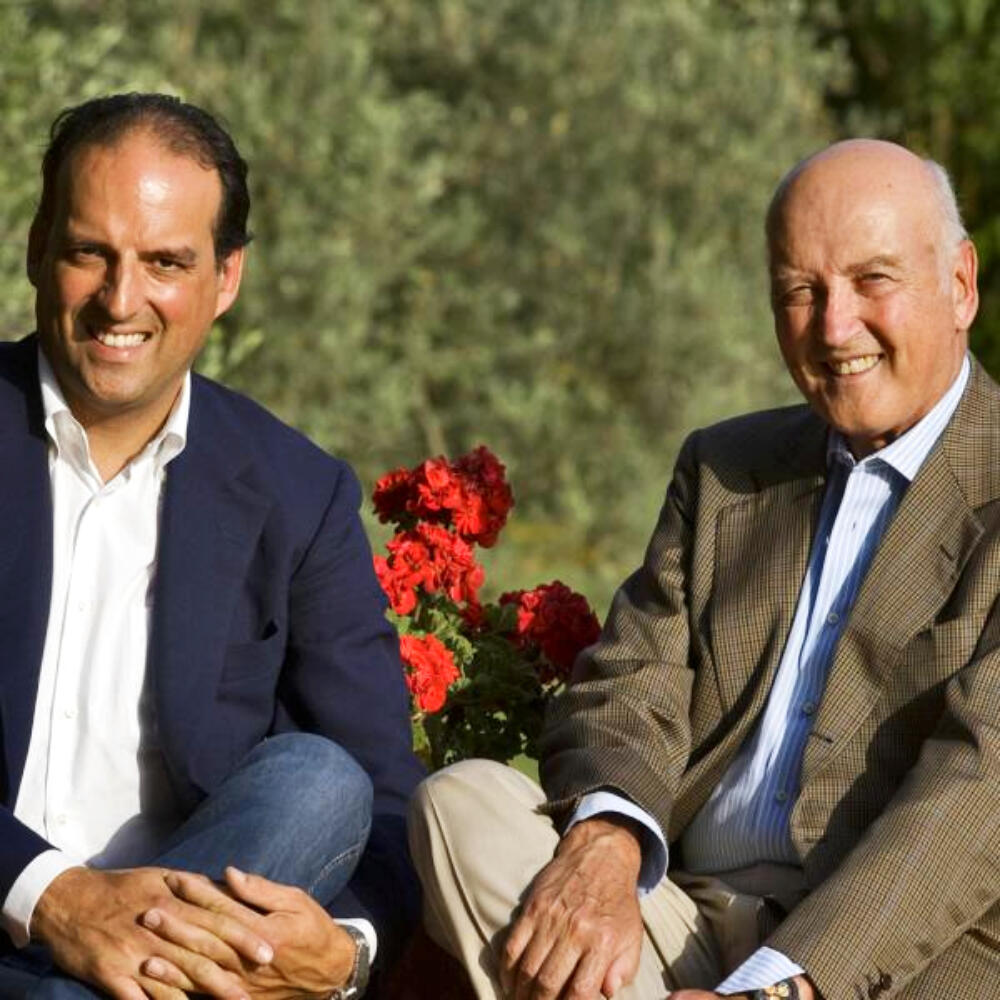
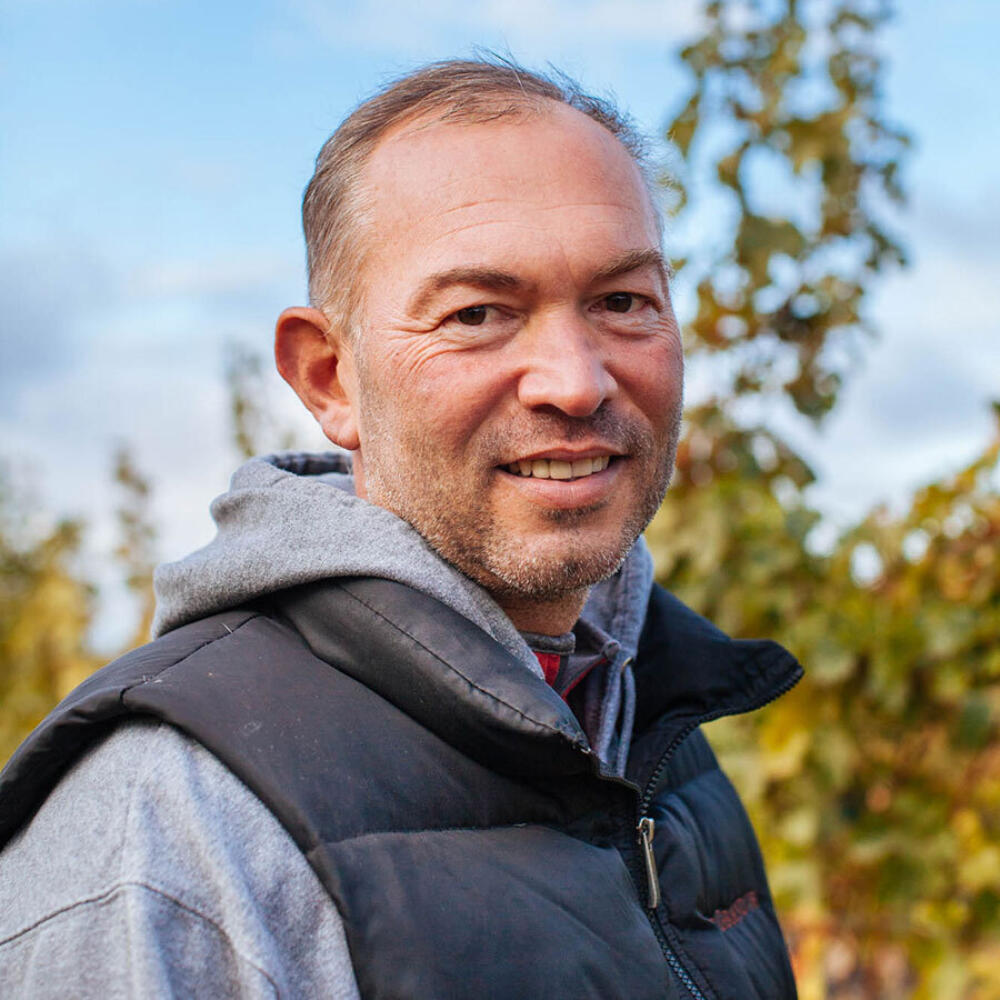
Gilles Nicault, the Folonari Family, and the Making of Saggi
For Saggi, Shoup partnered with Ambrogio and Giovanni Folonari of Tenute Folonari, a Tuscan wine family with roots in the industry dating to the 1700s, whose estates span Chianti Classico, Bolgheri, Montalcino, and Montepulciano. The Folonaris served as mentors in Saggi's early development, providing deep knowledge of Sangiovese and the Super Tuscan tradition.
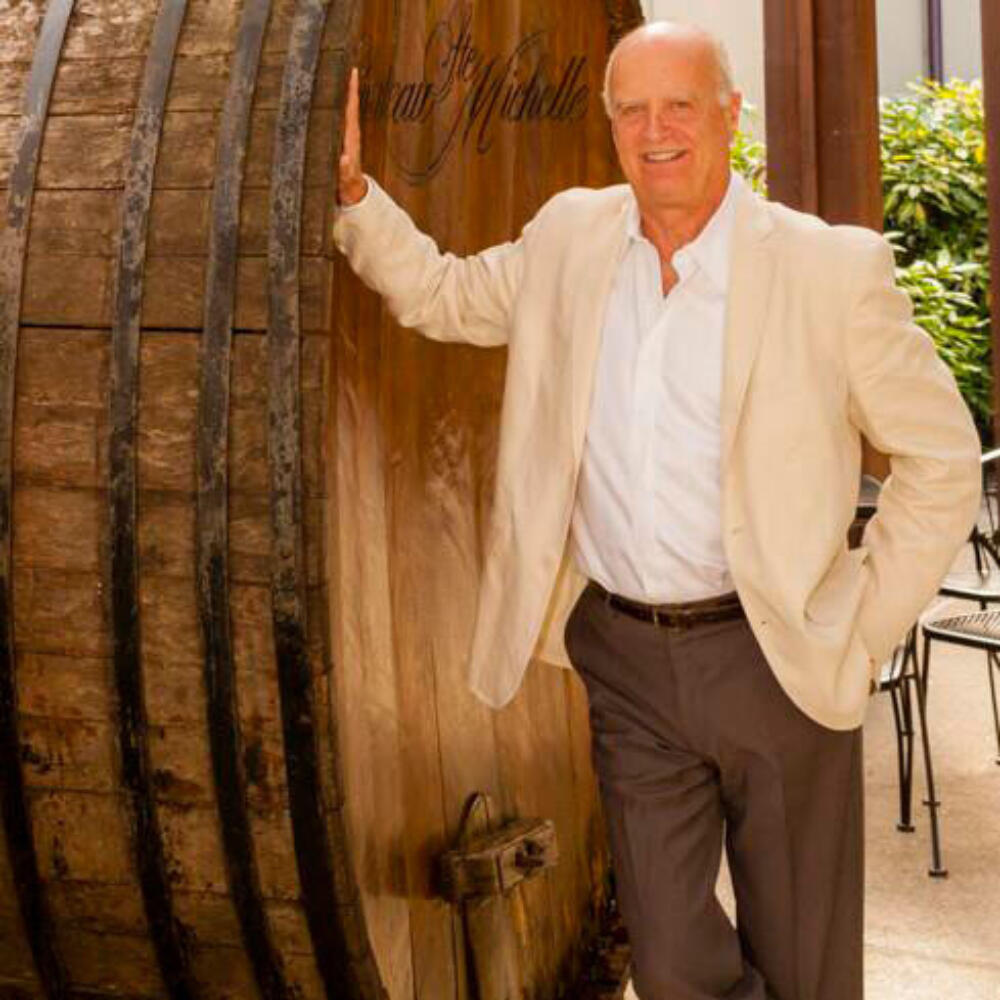
Gilles Nicault, Long Shadows' director of winemaking and viticulture since the winery’s founding, has produced every vintage of Saggi for over two decades, refining the wine's philosophy over time: to be the best possible expression of what Sangiovese can be in Columbia Valley. In the blend, Cabernet Sauvignon provides backbone and structure, while Syrah contributes spice and depth. The result is a wine that is elegant, vibrant, and distinctly old world in character, rooted in the traditions that shaped the grape, but grown from Washington soil.
The winemaking approach reflects that philosophy: saignée (a French technique where a portion of juice is bled from the tank early in fermentation, increasing the ratio of grape skins to remaining juice and concentrating color, tannin, and flavor) at the start of fermentation, extended maceration of up to 30 days for the Sangiovese component, and 18 months of aging in new French oak barrels.
Long Shadows Saggi: A Sangiovese-Led Blend Inspired by the Old World
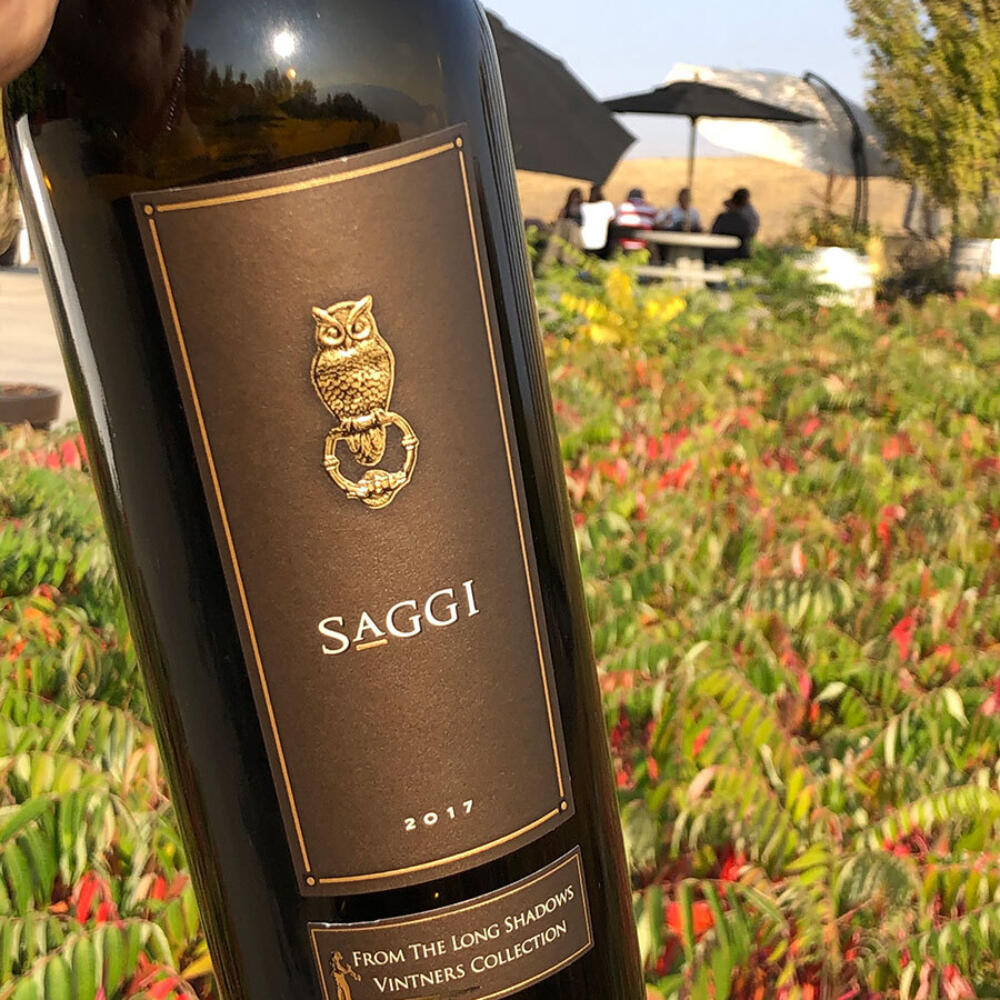
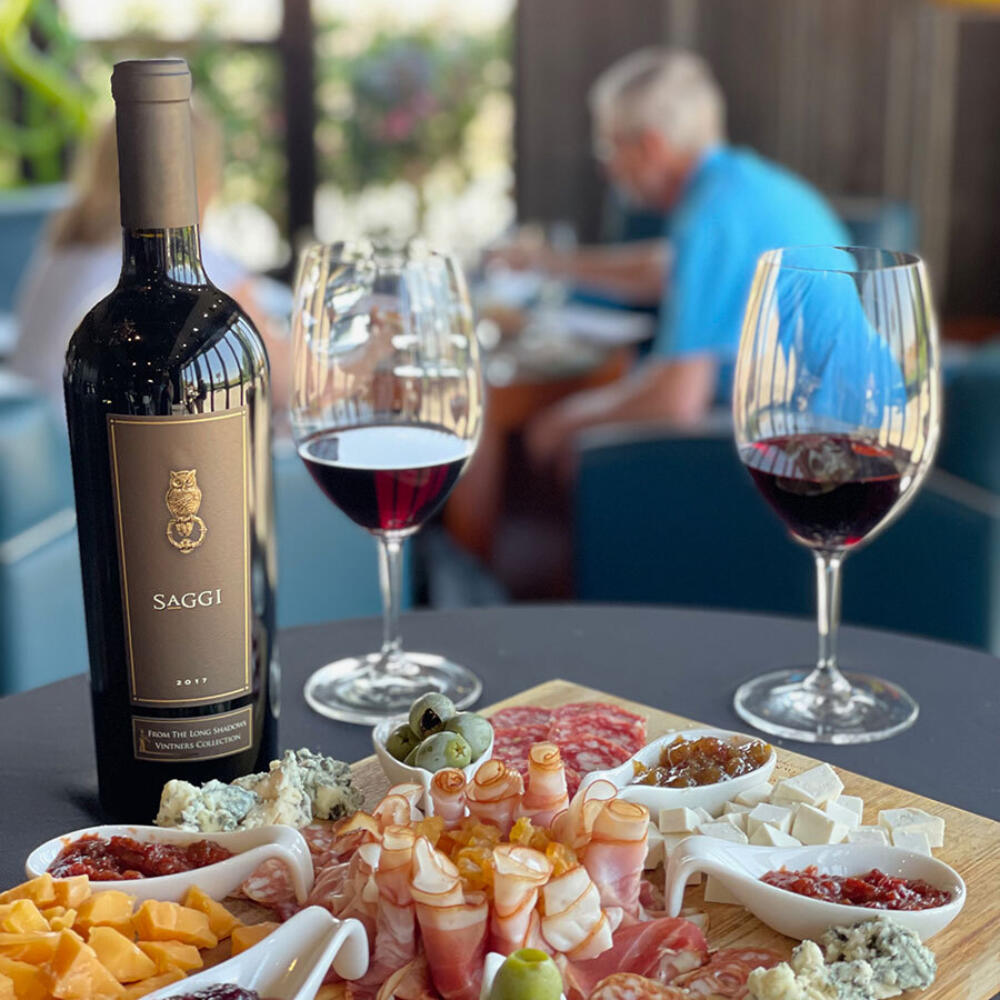
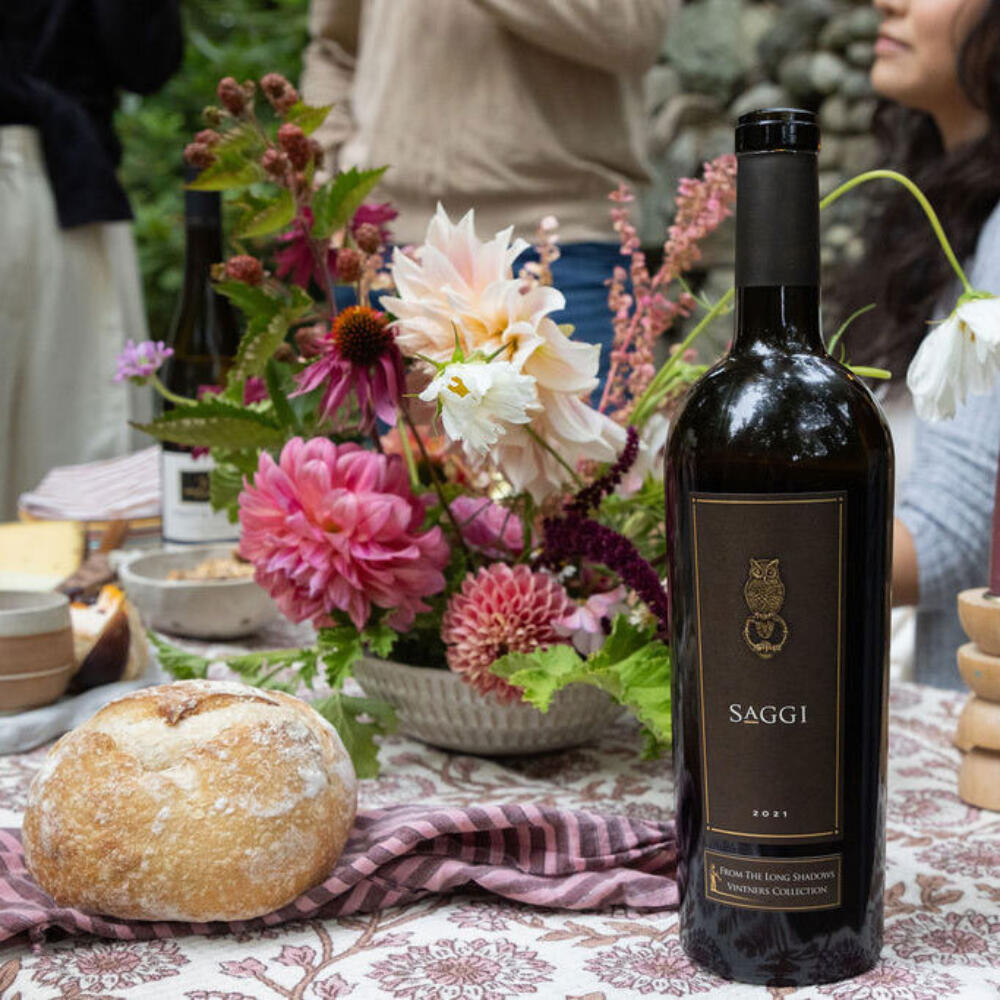
Saggi is inspired by the winemaking traditions of Tuscany, the philosophy that Sangiovese, when given the right partners and the right place, produces something greater than any single variety could on its own. Saggi’s blend of Sangiovese, Cabernet Sauvignon, and Syrah, sourced from outstanding vineyards across the Columbia Valley, exemplify this philosophy. Blue Mountain Vineyard in Walla Walla contributes dark color and a lush mouthfeel. Ciel du Cheval Vineyard in the Red Mountain AVA adds structure, concentration, and the distinctive minerality that Red Mountain is known for producing.
Across vintages, Saggi opens with dark cherry and black currant, with notes of sweet spice and dried herbs. The tannins are silky and refined. The acidity is persistent and clean. The finish is long. It is a wine built on elegance rather than weight; old world in its restraint, Columbia Valley in its generosity.
Vintage Track Record
Saggi has been produced each year since 2004 and has earned 90 points or better from major critics across two decades of vintages. Selected highlights:
The 2021 earned 95 points from Owen Bargreen, 95 from International Wine Report, 94 from James Suckling, and 94 from Jeb Dunnuck. Bargreen projected drinking through 2042. The 2020 earned 94 points from Wine Advocate, 93 each from Dunnuck, Suckling, and Wine Enthusiast. The 2018 earned 95 points from Vinous and 92 from Jeb Dunnuck. The 2014 earned 94 points from Wine Advocate. The 2012 earned 93 from Wine Advocate, which noted the wine's "real Sangiovese character" and "full-bodied, voluptuous, layered and seamless style."
Frequently Asked Questions
What is the difference between Tuscan and Columbia Valley Sangiovese?
The primary difference is climate and how each region achieves structure in the wine. Tuscany's Mediterranean climate produces Sangiovese with firm tannins, high acidity, and earthy minerality rooted in rocky galestro and alberese soils. Columbia Valley's high desert continental climate, with diurnal swings of 35 to 50 degrees Fahrenheit, produces Sangiovese with darker fruit, lush tannins, and naturally preserved acidity. Tuscan Sangiovese tends to be leaner and more austere in youth. Columbia Valley Sangiovese tends to be more concentrated and approachable earlier, while retaining aging potential.
What is a Super Tuscan wine?
Super Tuscan is a term that describes wines from Tuscany that blend Sangiovese with international grape varieties such as Cabernet Sauvignon, Merlot, or Syrah outside the traditional DOC classification rules. DOC, or Denominazione di Origine Controllata, is Italy's regulatory framework governing which grape varieties, yields, and winemaking practices are permitted in each designated wine region. Wines that fell outside those rules could not carry their regional designation, but some producers released them anyway, and charged more for them than anything with a DOC label on the shelf. The category was established in the 1970s and 1980s by wines like Sassicaia and Tignanello, which demonstrated that Sangiovese could anchor blends of international caliber. Saggi draws on that same tradition, applying it to Columbia Valley fruit.
Who makes Long Shadows Saggi?
Saggi is made by Gilles Nicault, Long Shadows' founding winemaker and director of winemaking and viticulture. Nicault has produced every vintage of Saggi since the wine's first release in 2004, developing the wine over 22 vintages with a consistent philosophy: to produce the most complete expression of what Sangiovese can achieve in Columbia Valley.
Who is Gilles Nicault?
Gilles Nicault is a French-born winemaker based in Washington State. He has served as founding winemaker and director of winemaking and viticulture at Long Shadows Vintners since 2002. Seattle magazine named him Washington State's Winemaker of the Year in 2016. He is responsible for every wine produced under the Long Shadows label.
What did the Folonari family contribute to Saggi?
Ambrogio and Giovanni Folonari of Tenute Folonari served as mentors during Saggi's early development, providing expertise rooted in centuries of Sangiovese production across Tuscany's most prestigious appellations. Their influence shaped the wine's foundational philosophy and winemaking approach. Tenute Folonari continues a family tradition in Italian wine that dates to the 1700s.
How long can you age Long Shadows Saggi?
Saggi is produced for both near-term enjoyment and extended cellaring. Owen Bargreen projected the 2021 vintage as drinking well through 2042. Jeb Dunnuck has noted 10 to 15 years of longevity across multiple vintages. The wine's acidity and tannin structure support long-term aging consistent with the old world traditions that inspired it.
What is the best Sangiovese blend from Washington State?
Long Shadows Saggi is one of the most consistently acclaimed Sangiovese-based blends produced in Washington State. It has earned 90 points or better from Wine Advocate, Jeb Dunnuck, James Suckling, Vinous, and Wine Enthusiast across 22 consecutive vintages dating back to 2004.
Where can I buy Long Shadows Saggi?
Saggi is available through the Long Shadows website, at the Long Shadows Chihuly Tasting Room in Walla Walla, at the Woodinville tasting room east of Seattle, and through fine wine retailers. Individual vintages sell out quickly.
A Colloboration, Fulfilled
Saggi is Gilles Nicault's decades’ long exploration of what Sangiovese can become in Columbia Valley. Drawn from the old world traditions that shaped the grape and grounded in the distinct terroir of eastern Washington, it is a wine built on elegance, vibrancy, and restraint. Cabernet Sauvignon gives it structure. Syrah gives it spice. Sangiovese gives it its soul. Across more than two decades, it has made the case that Columbia Valley belongs in any serious conversation about what this grape can do.