Napa Valley vs. Columbia Valley Cabernet Sauvignon: Two Regions, One Grape, and a Benchmark Wine
When Allen Shoup founded Long Shadows Vintners in 2002, he brought one of Napa Valley's most respected Cabernet Sauvignon winemakers to Columbia Valley for a conversation. That conversation, between Randy Dunn of Dunn Vineyards on Howell Mountain and Long Shadows founding winemaker Gilles Nicault, produced Feather Cabernet Sauvignon. Now widely regarded as a benchmark for Washington State Cabernet Sauvignon, Feather has earned scores between 92 and 100 points from Wine Advocate, Jeb Dunnuck, Decanter, and Wine Spectator across 15 consecutive vintages.
To understand what makes Feather what it is, you need to understand the two traditions behind it and the two regions that shaped them.
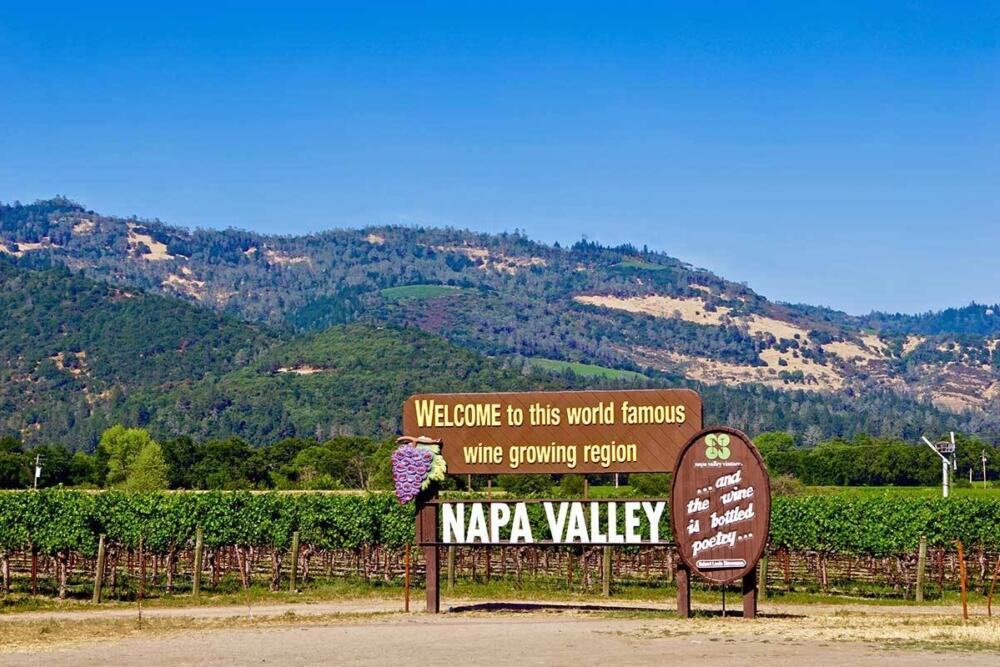
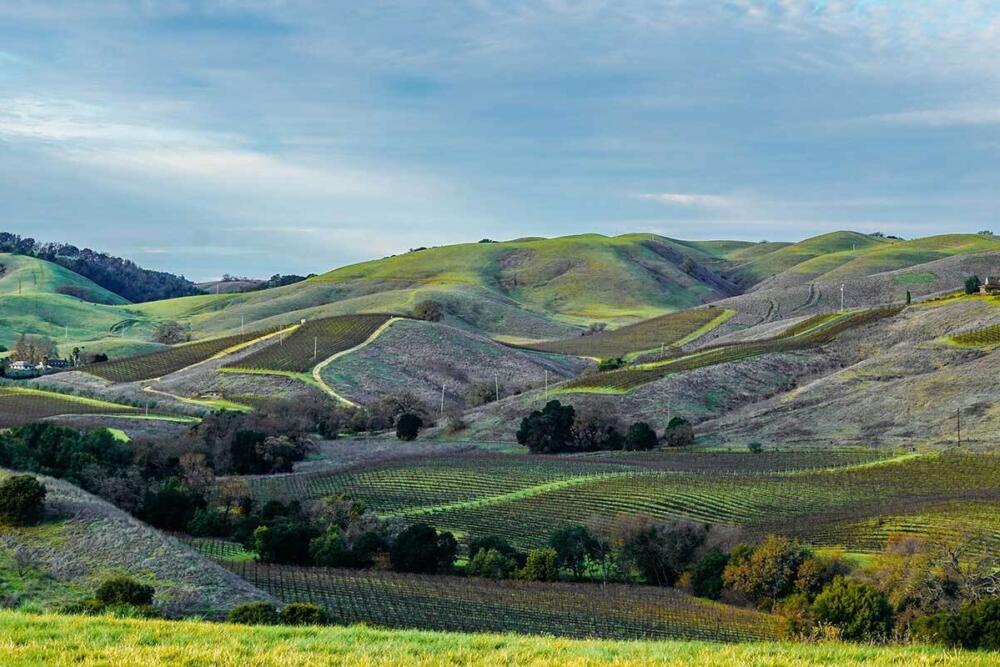
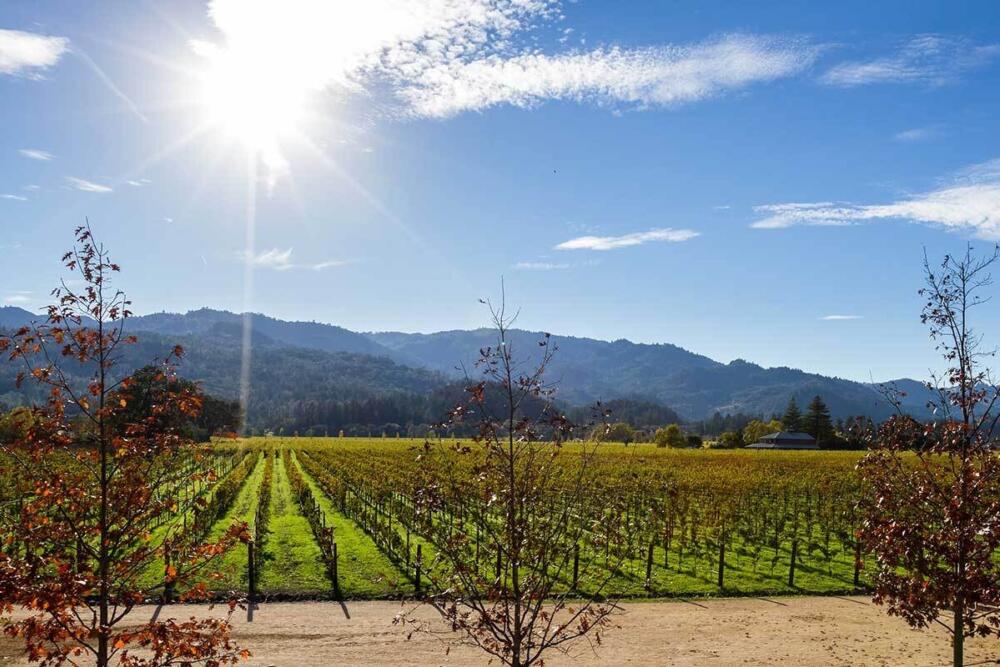
What Makes Napa Valley Cabernet Sauvignon Distinctive
Napa Valley's hold on the American Cabernet Sauvignon conversation was built over decades of serious winemaking and codified by the 1976 Judgment of Paris, where California wines blind-tasted against French Bordeaux came out on top. That moment announced Napa to the world. What followed was a generation of collectors, critics, and winemakers who turned the valley into a global benchmark.
The climate is Mediterranean: warm, dry summers tempered by cooling marine influence that pushes through the coastal range from San Pablo Bay. Warm days drive phenolic ripeness and concentration. Cool nights slow the process down, preserving acidity and aromatics. In hotter vintages, that window narrows and requires careful management in the vineyard and cellar.
Napa's soils are as varied as its appellations. Volcanic soils on the mountain AVAs, including Howell Mountain, Spring Mountain, and Mount Veeder, produce structured, tannic wines with serious aging potential. Valley floor sites in Oakville and Rutherford, with their gravelly benchland soils, yield the plush, layered Cabernets that define the region's most recognizable style.
In the glass, Napa Cabernet Sauvignon is generous and complete. Ripe black cherry and cassis lead, followed by cedar, cocoa, dried tobacco, and often a dried herb note. Body is full, tannins are velvety and present without aggression, and the finish lingers. The style tends toward opulence. These are wines that announce themselves with confidence and reward patience in the cellar. Top Napa Cabernets age 20 to 40 years and remain among the most cellar-worthy wines produced anywhere in the world.
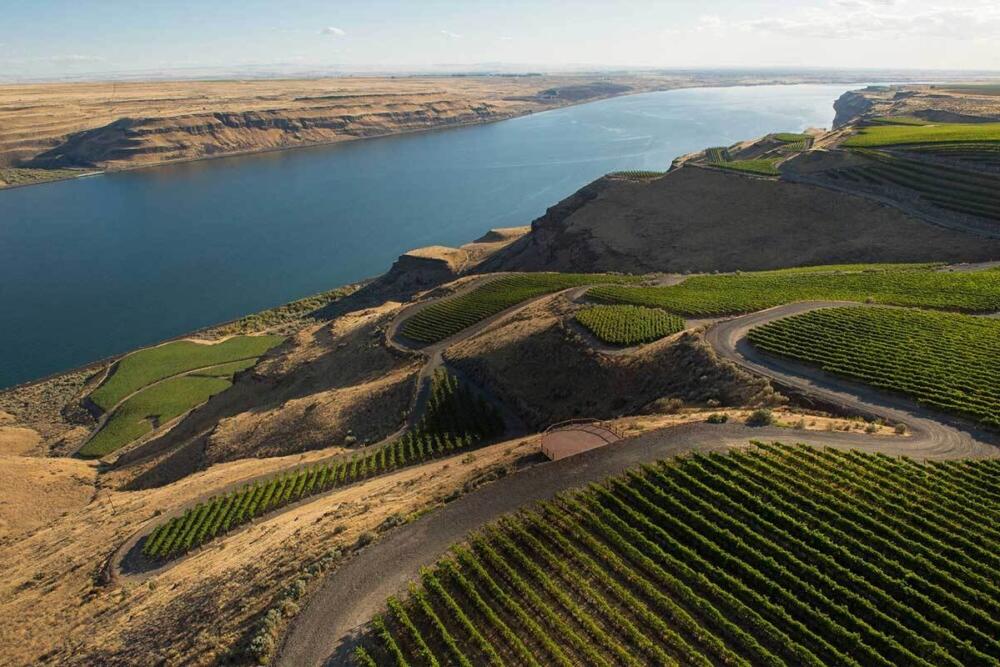
What Makes Columbia Valley Cabernet Sauvignon Distinctive
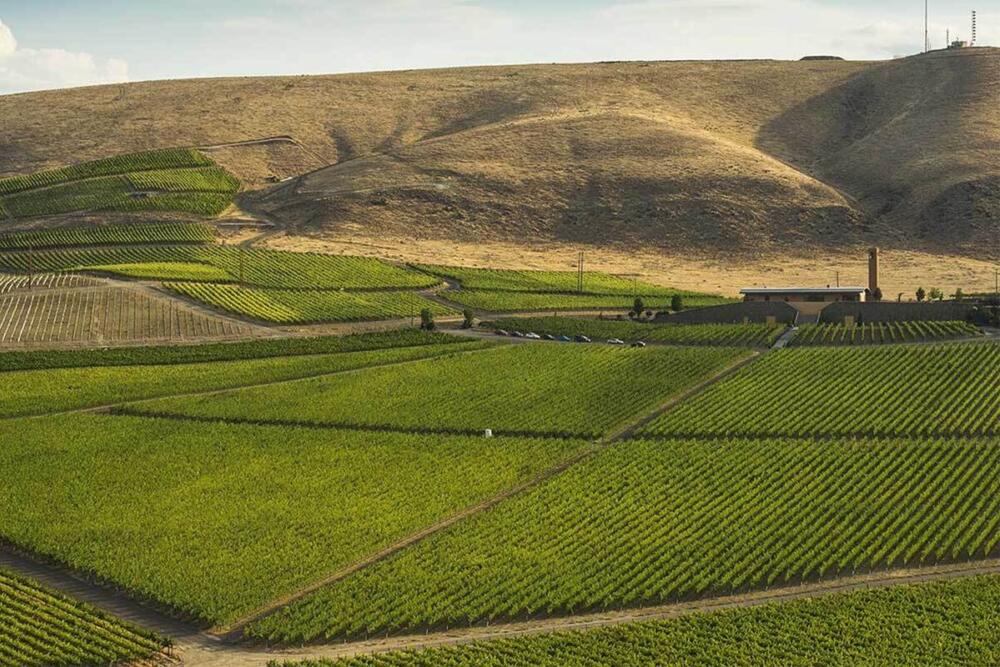
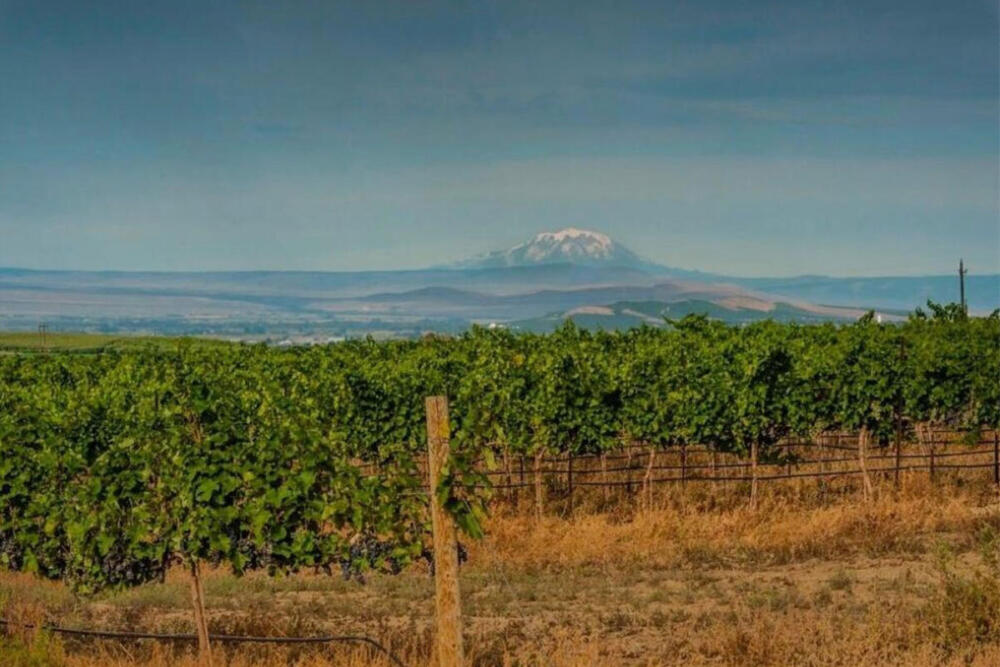
Columbia Valley has its own story to tell, and it starts with the land. The Cascade Mountains divide the state into two parts. The mountains block Pacific moisture and create a high desert growing environment with a continental climate unlike any other major Cabernet Sauvignon region in the world.
The result is a landscape defined by its extremes: long, intensely sunny summer days driving fruit ripeness and concentration, followed by nights that can drop 35 to 50 degrees Fahrenheit below the daytime high. That diurnal swing preserves natural acidity and locks in aromatic complexity as a natural condition of the terroir.
Columbia Valley's ancient flood-deposited soils, shaped by the cataclysmic Missoula Floods that repeatedly remade the landscape of the Pacific Northwest, are silty loam over basalt bedrock. Low in nutrients and rainfall, they push vines to root deeper and produce fruit with concentrated flavors and genuine personality.
In the glass, Columbia Valley Cabernet Sauvignon leads with dark fruit: blackberry, black plum, dark cherry. What follows is where the region reveals its character. Graphite, dried sage, white pepper. A savory complexity that speaks directly to the basalt-rich volcanic soils and the growing season. These are wines with energy on the palate, natural acidity that makes them exceptional at the table, and tannin structures built for the cellar.
Napa Valley vs. Columbia Valley: A Direct Comparison
The following list compares Napa Valley and Columbia Valley Cabernet Sauvignon across eight key factors including climate, tannin structure, flavor profile, and aging potential.
Climate type
- Napa Valley: Mediterranean
- Columbia Valley: High Desert Continental
Diurnal swing (Day to Night)
- Napa Valley: 15-25°F
- Columbia Valley: 35-50°F
Growing season
- Napa Valley: Warmer overall
- Columbia Valley: Cooler nights
Natural acidity
- Napa Valley: Lower
- Columbia Valley: Higher
Tannin character
- Napa Valley: Plush, velvety
- Columbia Valley: Structured, refined
Typical flavor notes
- Napa Valley: Black cherry, cassis, cocoa
- Columbia Valley: Dark plum, graphite, sage
Overall style
- Napa Valley: Opulent, big, oaky
- Columbia Valley: Structured, voluptuous, balanced
The most significant difference between the two regions is diurnal temperature swing. Columbia Valley's 35 to 50 degree Fahrenheit range is nearly double that of Napa Valley, directly shaping the natural acidity and structural precision that define Columbia Valley Cabernet Sauvignon.

The Bridge: Gilles Nicault, Randy Dunn, and the Long Shadows Winemaking Philosophy
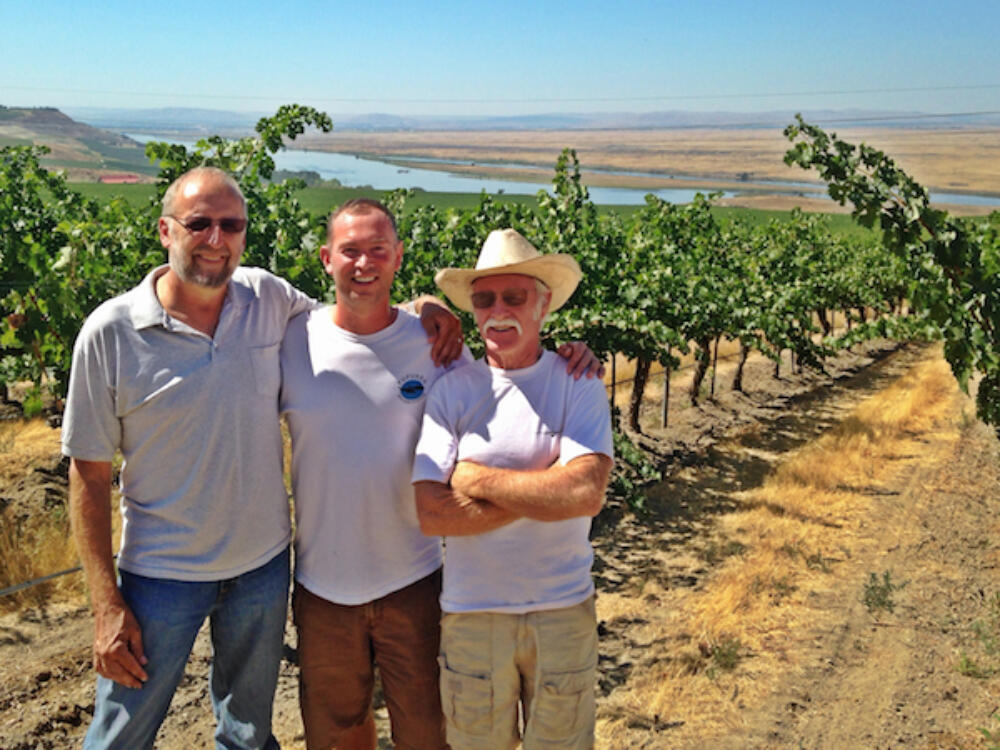
In 2002, Allen Shoup, the visionary former CEO of Chateau Ste. Michelle, who did more than perhaps any single individual to establish Washington wine's international credibility, founded Long Shadows Vintners with a concept as ambitious as it was straightforward. He would bring a group of internationally celebrated winemakers to Columbia Valley, pair them with founding winemaker Gilles Nicault, and let the collaboration take root.
Gilles Nicault has been Long Shadows' director of winemaking and viticulture since the beginning, and every wine in the portfolio passes through his hands. French-born and classically trained, he arrived in Washington and developed one of the deepest understandings of Columbia Valley terroir of any winemaker working in the region. He is the consistent creative hand, the institutional memory, and the voice behind every bottle that leaves Long Shadows. In a portfolio built around celebrated collaborations, Nicault is the through line.
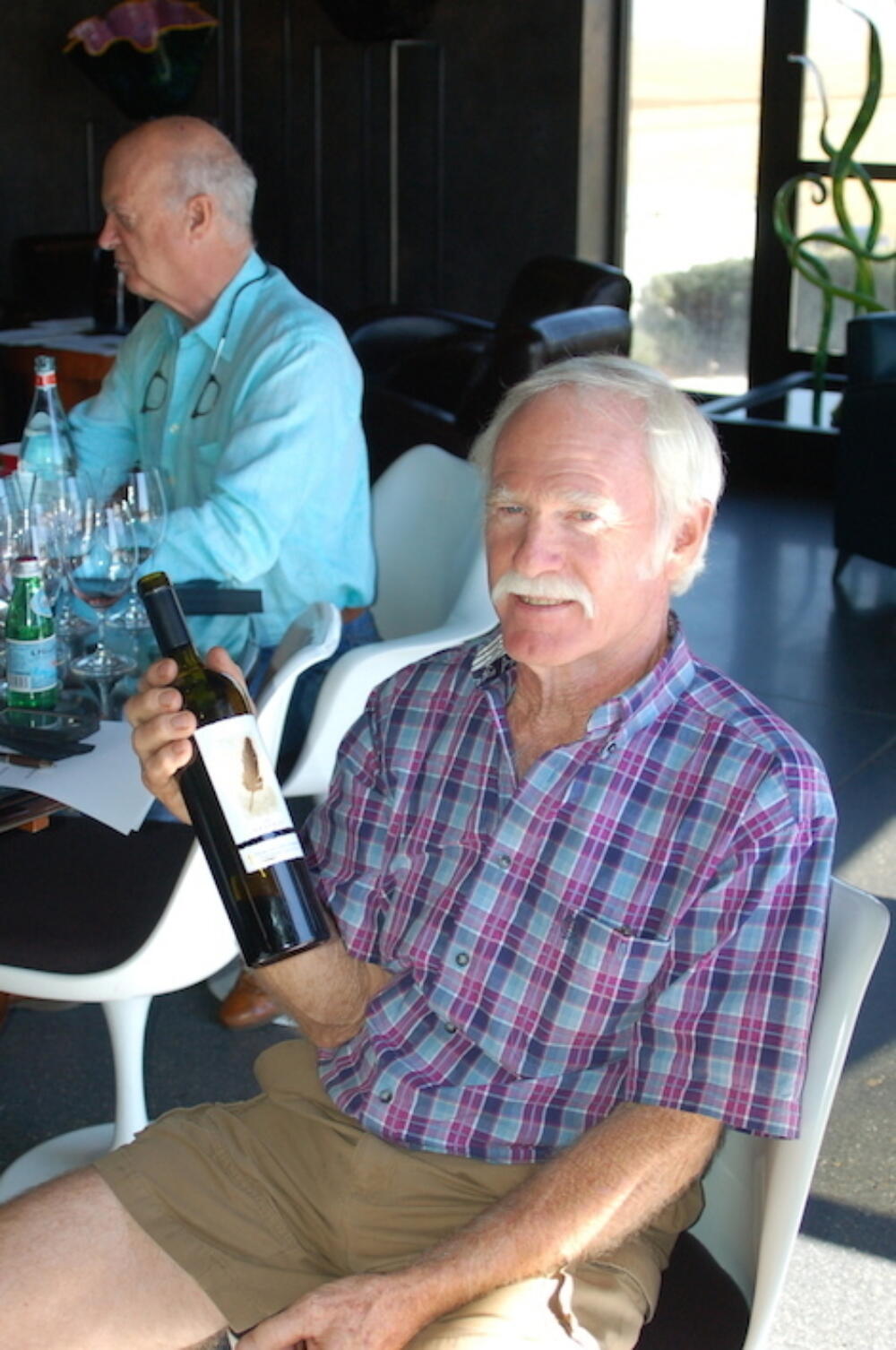
For Feather Cabernet Sauvignon, Nicault's collaborator was Randy Dunn. Founder of Dunn Vineyards on Howell Mountain and the winemaker behind some of Caymus Vineyards' most celebrated Special Selection bottlings, Dunn's philosophy is defined by structure, tannin discipline, and patience. He worked alongside Nicault to shape Feather Cabernet Sauvignon's identity and its structural goals. The result is not Napa winemaking transplanted to Washington. It is a genuine dialogue between two traditions: Dunn's Howell Mountain discipline and Nicault's intimate knowledge of Columbia Valley vineyards and his French instinct for balance. The result is a wine that stands entirely on its own.
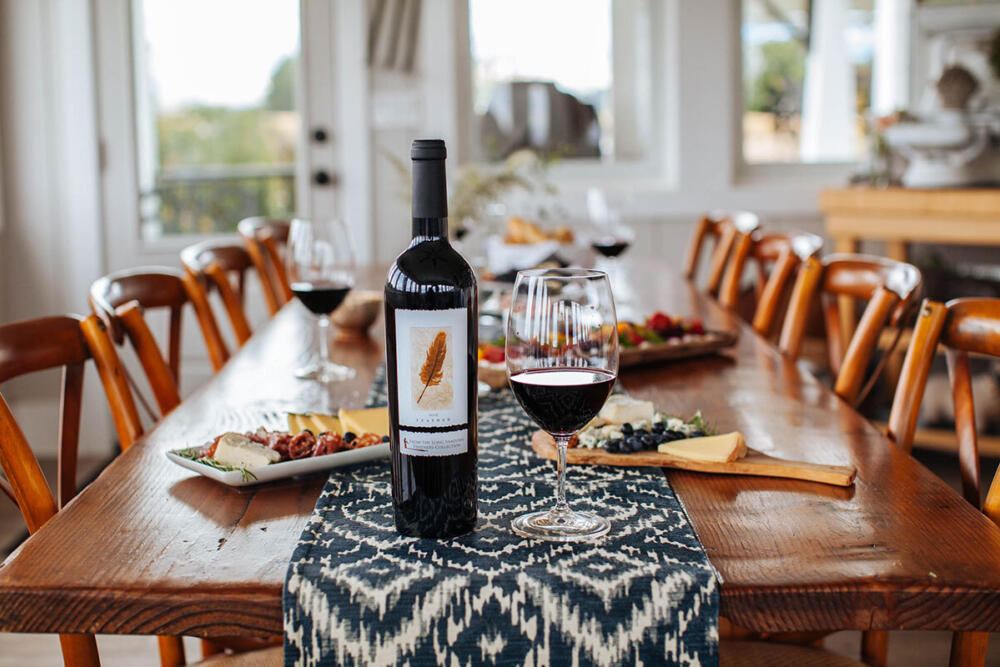
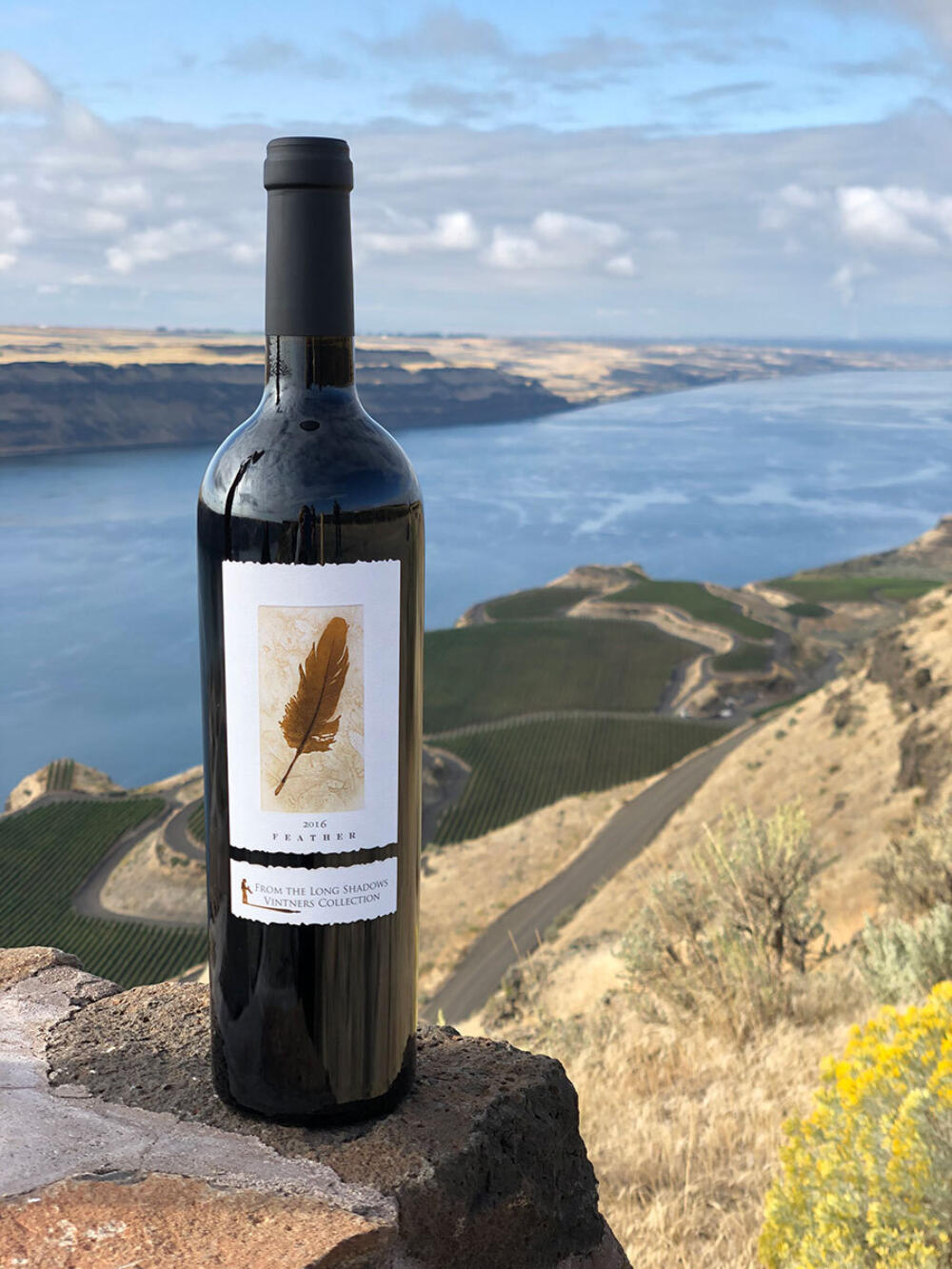
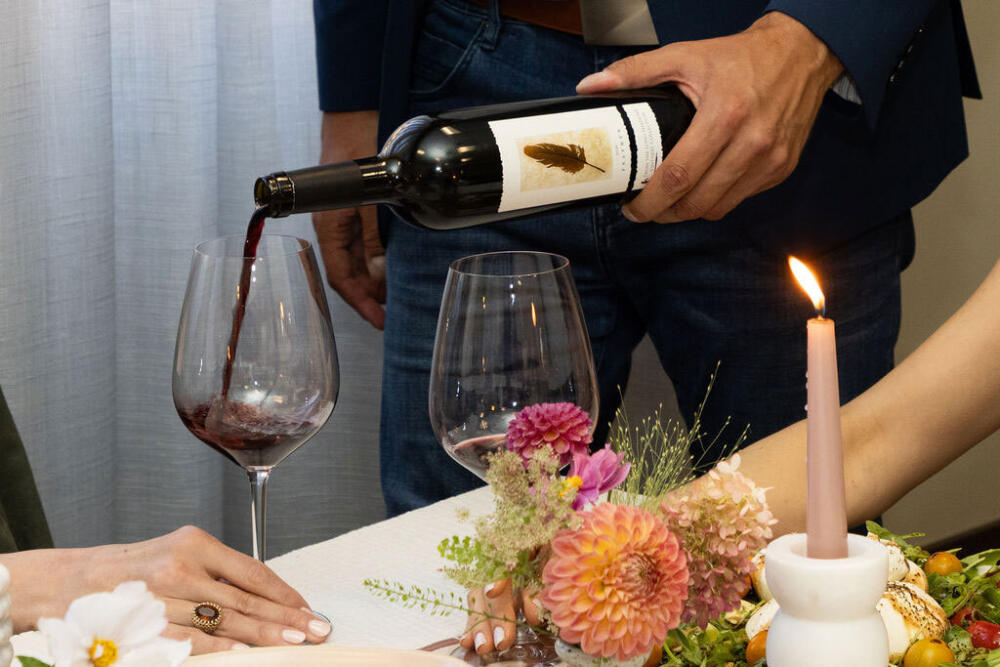
Long Shadows Feather Cabernet Sauvignon: A Benchmark Washington Cabernet
There is a short list of wines that can credibly claim to define what a region does at its best. Long Shadows Feather Cabernet Sauvignon is on that list for Washington State.
Feather Cabernet Sauvignon is 100 percent Cabernet Sauvignon, a deliberate and relatively rare choice in a region where Bordeaux varietal blending is common practice. It is a statement of confidence in Columbia Valley's ability to carry the varietal fully and completely on its own terms. Powerful and concentrated, built on maximum extraction through energetic pump-overs during peak fermentation, the wine is always crafted in service of structure and longevity rather than immediate impact.
The 2023 vintage opens with dark fruit aromatics interwoven with sage, oak spice, and clove. The mid-palate is beautifully textured, delivering layered complexity supported by bright, mouthwatering acidity that keeps the wine focused and fresh. Refined tannins extend through the finish, carrying the wine's savory spice and dark fruit character with precision and length.
The critical record speaks for itself. Across more than two decades, Feather Cabernet Sauvignon has earned scores ranging from 92 to 100 points from Wine Advocate, Jeb Dunnuck, Decanter, Wine Enthusiast, and Wine Spectator. The 2019 vintage Feather Reserve scored 100 points from Wine Advocate while the 2020 vintage earned 98 points from Wine Advocate. The 2021 earned 97 points from Jeb Dunnuck. The 2018 earned 96 points from Decanter. This is not a wine with a standout vintage here and there. It is a wine with a sustained, documented record of excellence across a decade and a half. Individual vintages sell out quickly. Feather Cabernet Sauvignon is available through Long Shadows website, at the Long Shadows Chihuly Tasting Room in Walla Walla, at the Woodinville tasting room east of Seattle, and through fine wine retailers.
Frequently Asked Questions
What is the difference between Napa Valley and Columbia Valley Cabernet Sauvignon?
The most important difference is climate. Napa Valley has a Mediterranean climate with diurnal temperature swings of 15 to 25 degrees Fahrenheit. Columbia Valley has a high desert continental climate with daytime/nighttime swings of 35 to 50 degrees Fahrenheit. Those cooler nights preserve natural acidity and aromatic complexity in Columbia Valley Cabernet, producing wines with more structural tension and savory character compared to Napa's fuller, more opulent style.
How does Columbia Valley Cabernet Sauvignon compare to Napa Valley Cabernet Sauvignon?
Columbia Valley and Napa Valley are two distinct, world-class Cabernet Sauvignon regions producing fundamentally different expressions of the same grape. Columbia Valley Cabernet Sauvignon from producers like Long Shadows regularly earns 95 to 98 point scores from Wine Advocate, Decanter, and Jeb Dunnuck, placing it among the finest Cabernet Sauvignon produced anywhere in the world.
Who makes Long Shadows Feather Cabernet Sauvignon?
Feather Cabernet Sauvignon is made by Gilles Nicault, Long Shadows' founding winemaker and director of winemaking and viticulture. Nicault developed the wine in collaboration with Randy Dunn of Dunn Vineyards on Howell Mountain in Napa Valley, and has made every vintage of Feather Cabernet Sauvignon since Long Shadows' founding in 2002.
Who is Gilles Nicault?
Gilles Nicault is a French-born winemaker who began his career in France and has spent the better part of 25 years in Washington State. He is the founding winemaker and director of winemaking and viticulture at Long Shadows Vintners, where he has made every wine in the portfolio since 2002. Seattle magazine named him Washington State's Winemaker of the Year in 2016. He is widely regarded as one of the most accomplished winemakers in the Pacific Northwest.
What did Randy Dunn contribute to Long Shadows Feather Cabernet Sauvignon?
Randy Dunn, founder of Dunn Vineyards on Howell Mountain and one of the most respected Cabernet Sauvignon winemakers in Napa Valley, collaborated with Gilles Nicault to establish Feather Cabernet Sauvignon's winemaking philosophy. His influence is evident in the wine's structural approach: maximum extraction, disciplined tannin management, and a commitment to age-worthiness and longevity.
How long can you age Long Shadows Vintners Feather, Columbia Valley Cabernet Sauvignon?
Feather has an aging window of 15 to 25 years. The region's naturally high acidity and firm tannin structure provide the backbone for long cellaring. Long Shadows Feather Cabernet Sauvignon is specifically built for extended aging, consistent with the Howell Mountain winemaking tradition Randy Dunn brought to the collaboration.
What is the best Columbia Valley Cabernet Sauvignon?
Long Shadows Feather Cabernet Sauvignon is widely regarded as one of the benchmark Columbia Valley Cabernets. A 100 percent varietal wine, rare in a region where Bordeaux varietal blending is common practice, Feather has earned scores between 92 and 100 points across 15 consecutive vintages from Wine Advocate, Jeb Dunnuck, Decanter, Wine Enthusiast, and Wine Spectator.
Where can I buy Long Shadows Feather Cabernet Sauvignon?
Feather Cabernet Sauvignon is available through Long Shadows website, at the Long Shadows Chihuly Tasting Room in Walla Walla, at the Woodinville tasting room east of Seattle, and through fine wine retailers. Individual vintages sell out quickly.
Conclusion
The conversation Allen Shoup started in 2002 is still going. Its resonance is felt through every vintage of Feather Cabernet Sauvignon that Gilles Nicault produces, through every accolade, and through every bottle that sells out before the next vintage arrives.
Feather Cabernet Sauvignon is the product of a winemaker who knows the land, a philosophy built on structure and patience, and a commitment to producing the finest Cabernet Sauvignon Washington State has to offer. Vintage after vintage, it delivers on that commitment.